Part One · Meet the Company
A welcome from First Coast Heating & Air
Comfort advice should begin with the home — and the people who live in it.
A note to Jacksonville homeowners
Thank you for spending time with this guide. A heating and air-conditioning system is one of the hardest-working systems in a Florida home, yet many homeowners are expected to make decisions about it without ever being shown how it works.
We created this publication to make those conversations easier. Our goal in this demonstration edition is to explain the basics in plain language, help you recognize questions worth asking, and encourage safe, informed decisions about your home's comfort.
As you read, remember that no book can inspect your equipment or replace advice based on your actual home. When a problem involves electrical components, refrigerant, unusual noises, water around equipment, or a system that is not operating safely, bring in a qualified HVAC professional.
The First Coast Heating & Air Team
Sample owner message · fictional demonstration company
Who this publication is for
This guide is written for homeowners in Jacksonville and Northeast Florida, where long cooling seasons, high humidity, heavy rain, and occasional severe weather make home comfort a year-round concern. It is designed to help readers understand their equipment and prepare for conversations with the contractor they choose.
Our purpose
Make HVAC information easier to understand so homeowners can ask better questions and make informed decisions.
Our editorial approach
Plain-language education, practical homeowner observations, clear safety boundaries, and references to reliable public resources.
Our local focus
Examples and seasonal considerations relevant to homes in Jacksonville and Northeast Florida, without assuming every home or system is the same.
What a homeowner can expect from a professional visit
A useful service experience should begin with listening. Homeowners should have an opportunity to describe what they noticed, when it happens, and whether the problem is constant or intermittent. A qualified technician can then explain what was inspected, what was found, what options are available, and which items need attention now versus later.
Before approving work, ask for a clear explanation of the proposed work and its cost. For replacement recommendations, ask what measurements and system information support the proposed equipment size and configuration. Keep estimates and service records together.
How to use this guide
A clearer understanding of your home's comfort system
Florida homeowners rely on heating and cooling equipment through long, humid summers and changing winter weather. This guide explains the basics in plain language so you can care for your system, recognize warning signs, and have more productive conversations with qualified HVAC professionals.
Use the chapter list to explore a topic, or read the guide from beginning to end. The information is educational and general. Your equipment manufacturer's instructions and advice from a qualified professional should take precedence for your specific home.
What this guide can help you do
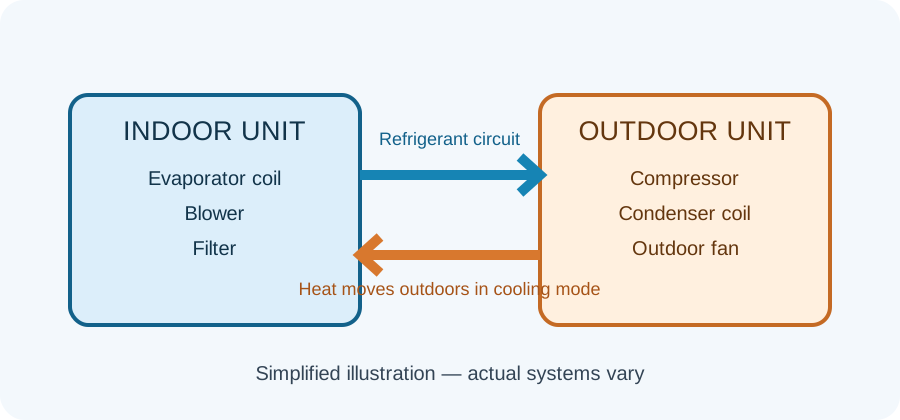
- Understand the basic parts of a home comfort system.
- Recognize the role of filters, ducts, airflow, and humidity.
- Know which simple observations are safe for homeowners.
- Prepare useful questions before a service or replacement visit.
- Keep basic records that help explain recurring problems.
Part Two · The Homeowner Education Library
A First Coast homeowner reminder
Start with what you can safely observe: the thermostat setting, whether the filter is due for replacement, whether supply and return grilles are unobstructed, and what changed before the comfort problem began. Leave diagnosis and repair to a qualified professional.
About this demonstration publication
First Coast Heating & Air is a fictional example created to demonstrate a customized online business publication. It is not a real contractor, does not provide HVAC service, and has no phone number or service address. A real client edition would replace this branding with verified company details and have technical content reviewed by the business.
Part Three · Working With a Contractor
Before you call an HVAC company
Write down the symptoms, the rooms affected, when the issue occurs, and any recent changes such as a power interruption, storm, thermostat adjustment, or filter replacement. If the system is making unusual sounds, a short recording from a safe distance may help explain what you heard. Do not remove panels or attempt repairs.
Questions about your home's comfort?
This sample edition intentionally does not publish a phone number, street address, license number, or booking link. In a real company edition, this panel would contain the contractor's verified contact details and a direct next step, such as a service-request page.
Real client edition: [Verified company phone] · [Company website] · [Approved service-request link]
Read the chapters
- 01Your Home’s Comfort System: The Big Picture
- 02Why Jacksonville Homes Work Hard to Stay Cool
- 03How to Choose and Use Your Thermostat
- 04Air Filters: A Small Part with a Big Job
- 05Outdoor Unit Care and Clear Airflow
- 06Ductwork: The Hidden Part of Home Comfort
- 07Why Some Rooms Are Too Hot or Too Cold
- 08Maintenance: What Homeowners Can Do
- 09Humidity, Condensation, and Indoor Air
- 10Energy Use: Practical Ways to Reduce Waste
- 11Repair or Replace? Making a Thoughtful Decision
- 12Choosing a New Air Conditioner or Heat Pump
- 13What Happens During a Professional Service Visit?
- 14Warning Signs: When to Call for Service
- 15Storm Season and Your HVAC Equipment
- 16Indoor Air Quality: What HVAC Can and Cannot Do
- 17Refrigerant: What Homeowners Should Know
- 18Understanding Estimates, Warranties, and Contractors
- 19A Homeowner’s Seasonal HVAC Checklist
- 20Questions to Ask Your HVAC Contractor